
Are you planning to install solar panels, but something is holding you back? India has a lot of families that want to switch to solar, but they continue to postpone it. Most of them, when questioned as to why, cite concerns they have heard from neighbours or from the internet.
Solar does not work in monsoons. Installation is too expensive. It needs regular repairs. These solar panel myths develop unwarranted suspicion. The majority of myths are based on outdated knowledge of technology, which is 15 years old. Solar has evolved much since then.
In the meantime, solar panels in India are on a booming business. More than a crore households have become self-sustaining in terms of electricity production. PM Surya Ghar subsidises up to 40 percent by the government. Prices are down by 80 percent relative to 2010. It is time to dispel these myths about solar panels with real facts of actual installations.
Understanding Solar Panel Myths
What are solar panel myths? These are statements made up by people over time, based on half-knowledge or after listening to neighbours. Such statements do not hold any value, as they are based on outdated information. For example, your friend may believe that solar panels do not work in the rain because they convert the sun’s energy, and without sunlight, they won’t work.
Technology has evolved very quickly over the past few years. Panels used in the 90s were outdated and not easily available to the masses, unlike the ones available today. Today, anyone can own a solar system that is energy-efficient and works throughout the day and night, even in rainy or cloudy weather.
Today’s solar panels produce a significant amount of electricity and can last for 25+ years or more. Improvements in performance, affordability, and ease of installation, along with solar subsidies, make all these claims false. We will correct these solar panel myths with facts from actual installations and tested information.
Myth 1: Solar Panels are Ineffective during the cloudy or rainy seasons
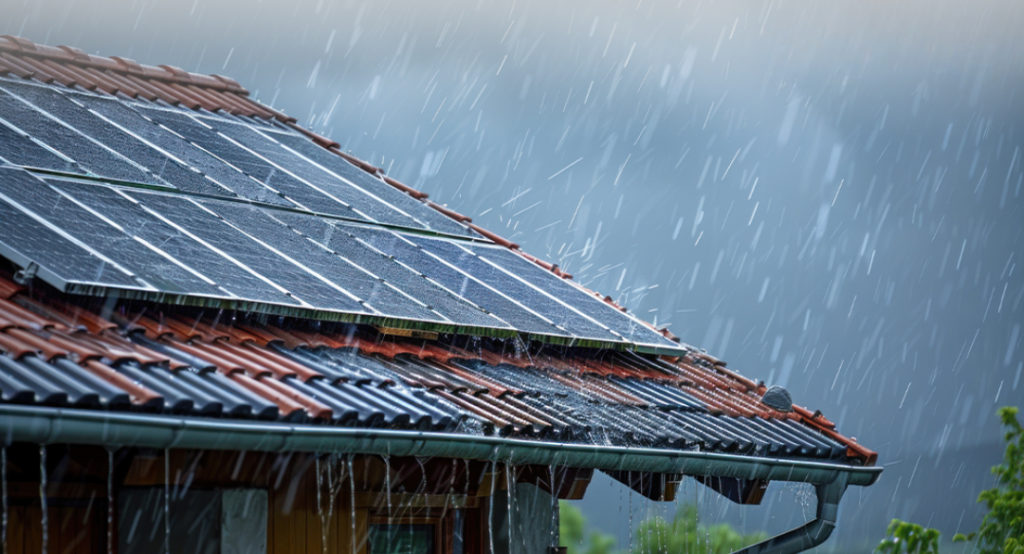
The Myth
This is one of the most common myths about solar panels. The myth suggests that without sunlight, solar panels cannot generate power. This is partly true, but what many people don’t realise is the role of modern technology.
This belief is mostly held by families living in rainy regions where sunlight is limited. As a result, they hesitate to invest in a solar system, assuming it will remain idle for months and fail to generate electricity. This concern is especially common in regions like Kerala, West Bengal, and other coastal areas.
The Reality
The reality is completely different from this solar myth. Solar panels do not work only in the presence of direct sunlight; they also continue to generate electricity from diffused sunlight on cloudy days. During such conditions, the panels typically generate 10–25 percent of their normal power.
Research conducted by NASA shows that modern solar panels remain 18–22 percent efficient in low-light conditions. Additionally, monsoon clouds do not block the sky completely—mornings and evenings are often clearer, and rainfall helps wash dust off the panels, improving efficiency when sunlight returns. More than 10,000 solar panels manufactured by Usha Shriram Solar are working efficiently across different states in India, proving year-round performance.
Myth 2: Solar Panels Cost Too Much with Long Payback
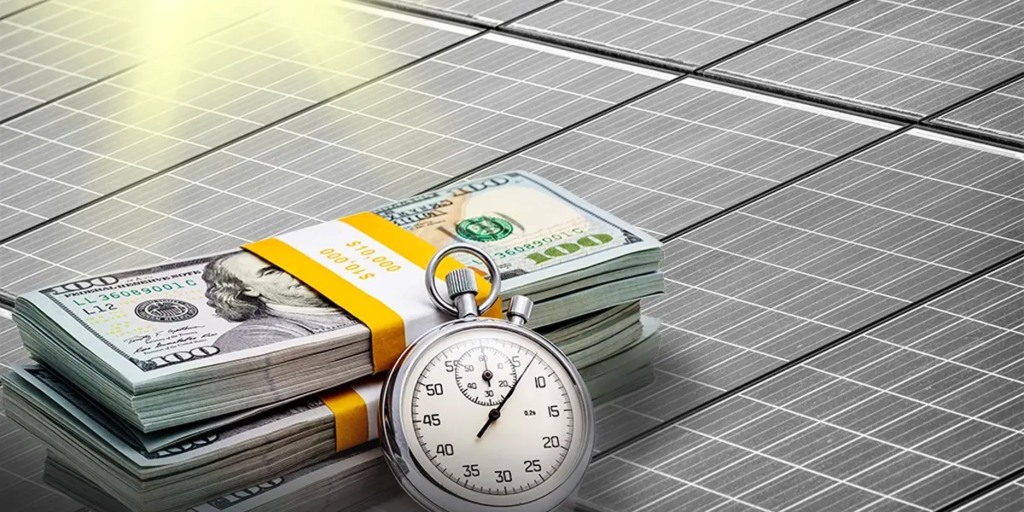
The Myth
This myth about solar panels was true, to some extent, many years ago. Earlier, an average system cost around 10-15 lakh. Stories of high-cost installations and 15-20 years paybacks turned away buyers.
Solar is still believed by many to be a luxury that is enjoyed by rich families only. This gives a perception of solar being unaffordable to middle-class families. Large bungalows are the only properties that can justify such expenses as assumed by people.
The Reality
The cost has dropped drastically since 90s. Solar panels that cost 10 lakhs in 2010 now cost 2-3 lakhs with the same capacity. That is 80 per cent less, which is confirmed through the IRENA data. The subsidies provided by PM Surya Ghar Yojana go up to 40% making a normal 3-kW system affordable at only 1.5-2 lakh.
The system saves 15,000-20,000 rupees on electricity each year. You recover your costs in 4–7 years. After that, enjoy 18+ years of nearly free electricity. Usha Shriram Solar customers save ₹1-2 lakh annually after payback. Over 25 years, that’s ₹25-50 lakhs staying in your pocket instead of going to power companies.
Myth 3: Solar Panels Need Constant Maintenance
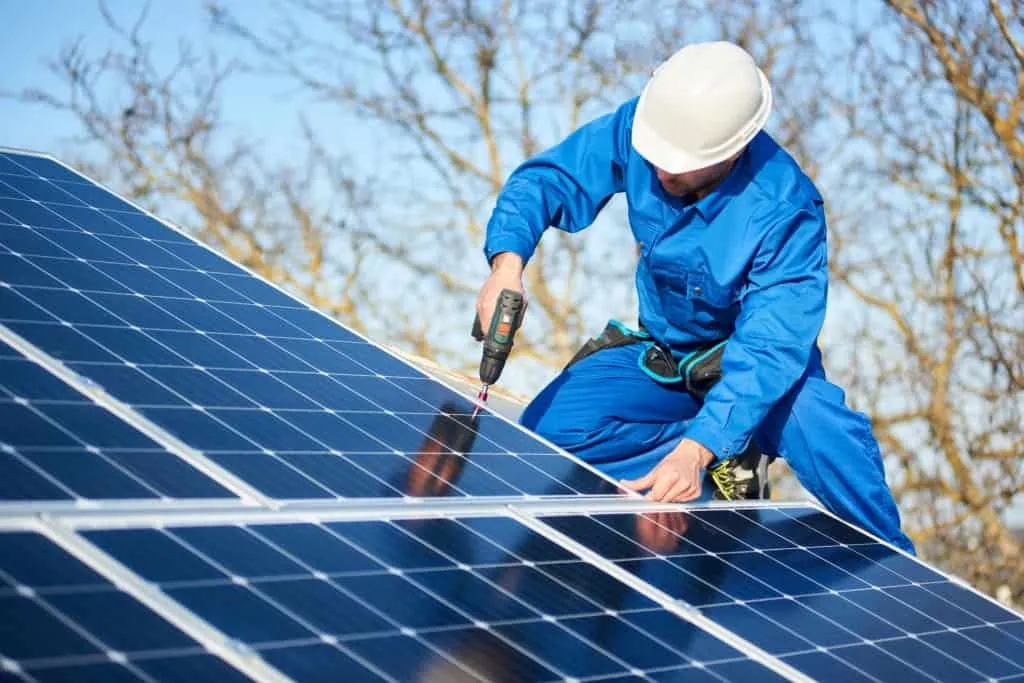
The Myth
Many think solar to be fragile equipment that demands constant care. According to this myth about solar panels, one spends weekends cleaning up or fixing something. There are also stories about the panels breaking in hailstorms or not lasting more than a couple of years. Others feel that you should see a technician once a month, adding ongoing expenses.
Regular solar panel cleaning helps protect panels from dust, bird droppings, and leaves, ensuring long-term performance, thus making cleaning by professionals essential. In case panels lie bare in the heat of 45°c coupled with heavy monsoons and cold winters, then surely they deteriorate easily? It is believed that the frequent replacements will nullify the savings.
The Reality
Maintenance schedule: rinse with water twice yearly. That’s it. Rain handles most cleaning naturally. No moving parts means nothing breaks. Usha Shriram Solar’s Tier-1 panels have 25-year warranties, degrading only 0.5% annually per IEC standards. After 25 years, they still run at 85-90% capacity.
Families with 15-year-old systems spent maybe ₹2,000 total on maintenance. Panels undergo rigorous testing for hail, wind, and temperature extremes before certification. One customer said his car needs more attention than his panels. Completely accurate.
Myth 4: Solar Panels Damage Roofs or Hurt Property Value
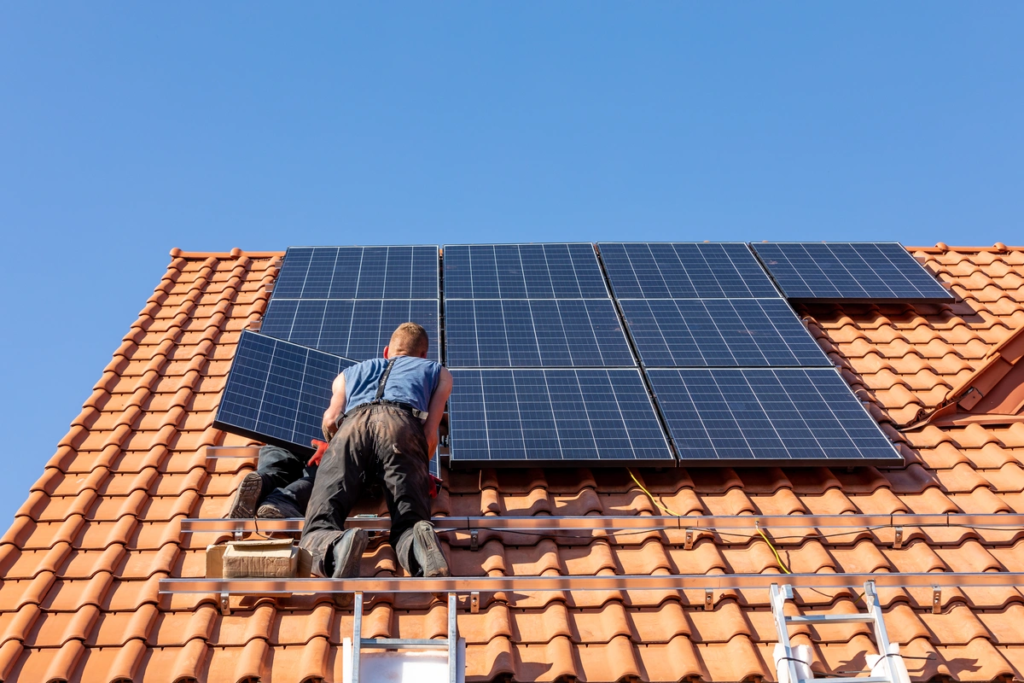
The Myth
In this solar panel myth, Individuals fear that panels destroy roofs or decrease the value of houses. They are afraid of drilling through waterproofing and resulting in leakage, weight stressing the roof or that the panels are not easily removable.
Others claim that solar houses look industrial and people do not buy them since they will not maintain them. Some believe that it is not cheap to remove panels to do roof work. There is concern that roofs become warrantied or problematic later.
The Reality
Modern-day installation does not require passing through waterproofing. Panels are placed on frames that distribute weight equally. Before assembly, the roof load is checked by engineers for safety purposes. Roofs are, in fact, covered by panels that safeguard against the blazing sun and weather.
In terms of property value, it has been found that solar homes sell at a 4.1 per cent higher rate. In India, customers prefer houses with fewer bills. Will you spend more money on a home that will save you 20,000 annually? Most would. Usha Shriram Solar customers report solar attracts buyers during property sales.
Myth 5: Solar Can’t Consistently Power full Houses
The Myth
The largest argument surrounding solar myth is that it cannot be trusted to serve an entire household. Solar is believed by many to be able to supply a negligible portion of a household. There is a saying that when there is no sun at night, power will stop. They are also concerned that the system will be overwhelmed by huge appliances such as air-conditioners, heaters, and washing machines.
These concerns make individuals believe that they would continue to be overdependent on the grid and hence solar appears to be a partial remedy. They inquire: Why spend so much money on it when the power is not available 24/7?
The Reality
Modern hybrid systems have batteries. Electricity is generated by solar panels during the day and that additional energy is stored in batteries. The batteries provide power at night and hence the home has electric power at all times.
Today, more than 1 crore houses operate on solar panels in India and they do not have to use candles at night, hindering their daily work or child education. According to MNRE data, the average solar user reduced his or her grid bill by 50 to 70 percent.
An appropriately sized system can handle the entire load of the house without any problem throughout the day and night. Today, there is no solar system that is too small to suit the real needs.
Choose Usha Shriram Solar – Move Beyond Myths

Despite these solar panel myths, real benefits shine clearly. You become free of the increasing electricity costs. You will save approximately 1-2 lakh rupees per annum. Your contribution to the environment is up to one ton of CO2 in a year. You get a 25‑year warranty.
At Usha Shriram Solar, we have years of experience making more than 50,000 families in India trust us. Our Panels have a maximum efficiency of 22 percent. The system is installed by professional installers. We have complete after sales services whenever you require assistance.
Do not be influenced by the Top 5 Myths About Solar Panels. It is an excellent time to change because there are subsidies by the government and declining prices. The free site assessment by Usha Solar is now possible. We do not confuse the pricing and assist you in making intelligent decisions based upon facts rather than on old fables.
Read More – State Wise Solar Subsidies in India, Solar Panel Cleaning, Best Solar Inverters for Home
How much roof space do I need for Solar Panels in India?
A 3kW system needs 300-350 sq ft of shadow-free space; 5kW requires 500-600 sq ft. Usha Shriram Solar's free site survey confirms the exact solar panel efficiency requirements.
Do solar panels work during winter with shorter days?
Yes, panels generate power in any daylight; winter's cooler temps actually boost solar panel efficiency despite fewer hours, debunking weather-related solar myths.
What happens to panels during hailstorms?
Usha Shriram Solar's Tier-1 panels with tempered glass pass rigorous hail impact tests (IEC standards), making hail damage extremely rare despite this persistent myth about solar panels.
Can I expand my solar system later?
Absolutely—solar systems are modular; add panels and upgrade inverters anytime as needs grow, with Usha Shriram Solar providing seamless expansion support.
Do I need discom approval for solar installation?
Yes, net metering approval from your electricity company is required for grid export credits—Usha Shriram Solar handles all Solar Panels in India paperwork seamlessly.
How long do solar panels really last?
Premium Usha Shriram Solar panels come with 25-year performance warranties, degrading only 0.5%/year—shattering solar panel myths about short lifespans.
Will solar panels increase my property tax?
No, rooftop solar installations are exempt from property tax increases across India, per most state policies—another busted solar myth.
