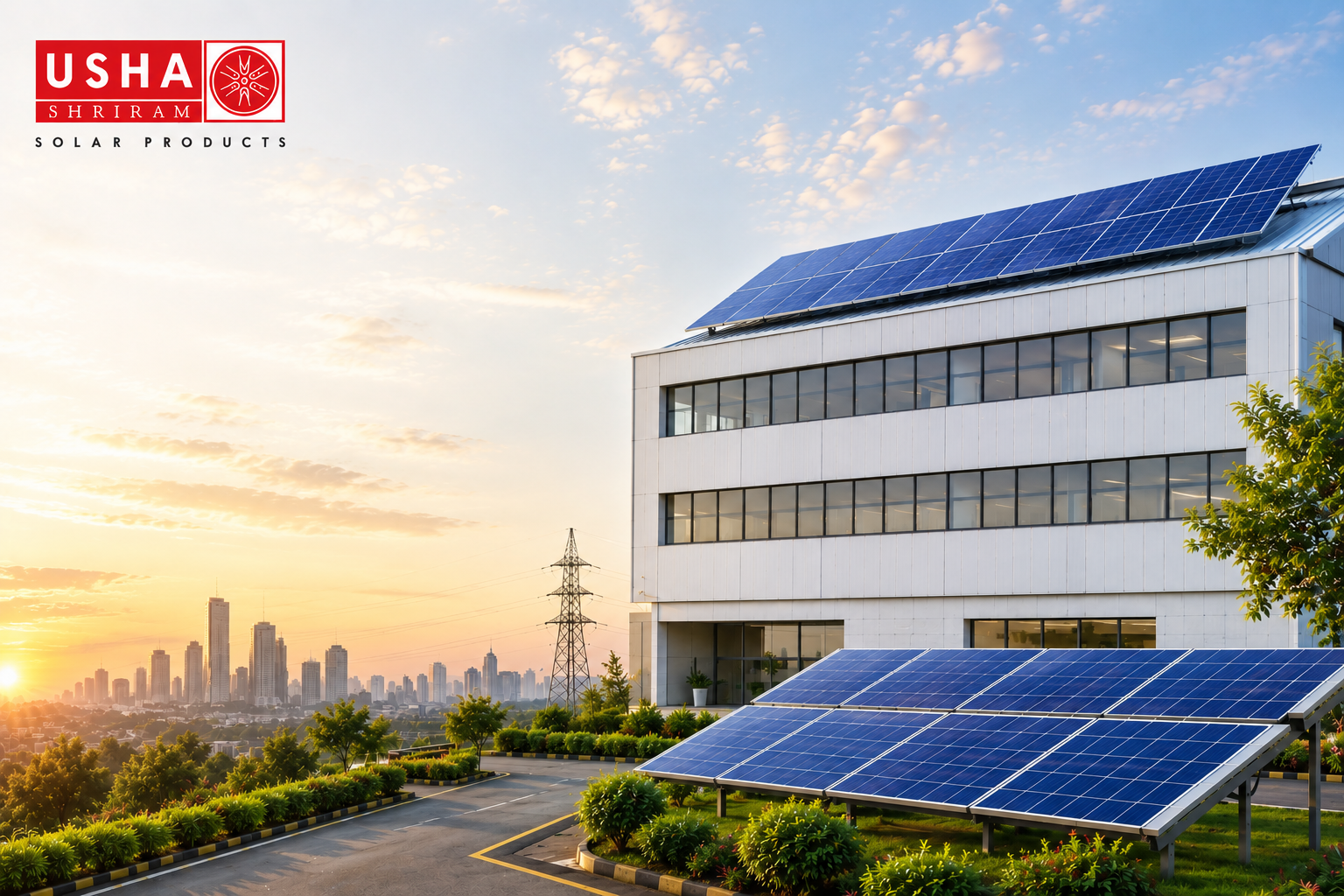
The cost of electricity continues to rise each year, making electricity costs one of the most significant business challenges. It doesn’t matter whether you have an industrial plant, hotel, warehouse, hospital, school, office building, shopping mall, or another commercial enterprise; reducing electricity costs without an enormous capital investment is now a major concern. This is why a solar PPA (Solar Power Purchase Agreement) offers an attractive solution.
The Solar PPA allows businesses to install a solar energy system at their location without paying the upfront installation cost. Instead of buying the solar power plant, the company is responsible for purchasing the power generated by the solar system at a set price, which is typically lower than the area’s electricity tariff. A solar company invests money in the venture, builds the system, handles maintenance, and makes sure that it has that the system is operating at its best throughout the contract time.
If you are a business looking to lower the cost of energy while advancing sustainability goals for your business, a solar PPA designed for businesses is fast becoming among the best and most efficient financing options available in India.
What is a Solar PPA?
The Solar Power Purchase Agreement (Solar PPA) is a long-term agreement between a company and an energy developer who develops solar power. In this contract, the developer develops the solar power system, finances it, and installs it. The developer owns, manages, and operates its solar energy plant, and the business pays for the electricity produced by the solar power plant.
Contrary to traditional solar installations in which the consumer is responsible for the entire expense of installation and the entire investment cost, a Solar PPA operates on the zero-capex Solar (or OPEX Solar Model) that allows companies to benefit from renewable energy without committing to an enormous financial commitment.
Solar PPA contract periods vary depending on the project, developer and commercial agreement. Long-term contracts are common, but the exact duration should be confirmed in the PPA.
How Does a Solar PPA Work?
The process starts by evaluating the technicality of the premises. The solar company studies consumption patterns for electricity, the accessible rooftop space or land, the structural feasibility of the site, and local laws. If the location is acceptable, a custom proposal is created based on energy needs.
When both parties have signed an agreement with the developers, they can install the solar power source. The developer takes responsibility for obtaining all required approvals, engineering, procurement, commissioning and regular maintenance.
When the system is operational Once the system is operational, businesses pay for the electricity produced by the solar power plant according to the contract instead of paying for the higher grid electricity cost. Since the developer is the owner of the system, the company is not required to think about repairs, maintenance, equipment replacement, or even monitoring.
This arrangement lets companies save money on electricity costs starting from the first day without requiring solar-powered infrastructure.
Why Are Businesses Choosing Solar PPA?
In many businesses, capital investment is more effective for expanding operations by buying equipment, hiring employees or enhancing production capacity, rather than purchasing solar power plants. A commercial solar PPA will eliminate the financial barriers to renewable energy use.
Companies also appreciate the predictable electricity prices offered by long-term contracts. Instead of fretting about annual price increases from electric distributors, businesses get more control over their operational costs.
Another advantage is the professionalism of management of the system. As the developer is accountable for maintenance and operation, business owners can avoid the stress of technical issues, scheduling of panel cleaning service for inverters, as well as performance monitoring.
Alongside the financial benefits, embracing solar power also enhances the environment’s performance. A lot of customers, investors and corporate partners today prefer working with eco-friendly businesses. Solar installation through PPAs is a clear dedication to sustainability that doesn’t require massive capital expenditure.
What Are the Benefits of a Solar PPA?
One of the main benefits of the Solar PPA is that businesses can make the switch towards renewable power without any upfront investments. The entire cost of installation is usually borne by the development company, which makes it much easier for businesses to switch to solar, even if they face budgetary constraints.
The electricity generated by solar power is generally offered at a lower cost than grid electricity that is conventionally available and can help businesses cut down on the cost of operating their business monthly. Since energy is a regular expense, these savings are maintained throughout the term of the agreement and may substantially boost profitability over time.
Another benefit is the professional maintenance. The person who developed the system is responsible for ensuring that the system functions efficiently by replacing defective components when necessary and performing periodic inspections. This helps reduce maintenance concerns for the owner of the business.
Solar PPAs also minimize the chance of having to deal with fluctuations in electricity prices. Businesses can have greater financial stability since the agreed-upon tariff structure is clearly outlined in the contracts. Additionally, switching to renewable energy helps achieve ESG goals, enhances corporate image and reputation, as well as the reduction of carbon emissions.
How Do You Know If Your Business Qualifies for a Solar PPA?
Many business owners believe that Solar PPAs are just for factories with large production; however, this is not always the case. The eligibility criteria are based on a variety of commercial and technical factors, more than just the type of business itself.
The primary element is electricity consumption. Businesses that have consistently large monthly usage of electricity typically benefit the most since the solar power plant can help offset a substantial portion of their energy needs. Although there isn’t a general standard, Businesses with relatively high and consistent electricity consumption may be better suited to a Solar PPA because larger energy demand can provide greater opportunity to use the electricity generated by the solar plant. However, suitability depends on the project’s technical, commercial and regulatory conditions rather than a single electricity-consumption threshold.
Space for installation is also crucial. The majority of Solar PVPPAs are set up on rooftops, but ground-mounted systems are also feasible if enough land is accessible. Roofs should be constructed with adequate strength for structural support, minimal shading and enough space for solar panels.
The electrical load during sanctioned operating hours, as well as the long-term occupancy of the building, are also analysed. Since Solar PPAs are lengthy agreements, businesses that operate out of owned premises or leases typically find them more appropriate.
Manufacturing units, hotels, commercial offices, schools, hospitals and shopping malls. Warehouses, cold storage facilities, IT campuses, logistics parks, food processing plants, pharmaceutical companies, textile companies, as well as automobile facilities are just a few of those industries that are most likely to utilise Industrial Solar PPA and Commercial Rooftop Solar solutions due to their huge energy demands.
Is Solar PPA Really Free?
This is among the most frequently asked questions that businesses are asked.
The answer is yes and no.
A PPA for Solar is usually known as zero-investment solar because companies generally don’t pay for the purchase or installation of solar plants. However, this doesn’t mean that electricity is free.
Instead, they pay for the electricity produced through the solar power system, according to the rate specified within the contract. The difference is that the tariff is usually lower than standard electricity prices, leading to instant savings.
Before signing any contract, businesses should thoroughly examine the pricing model, the annual rate increment (if there is any), the contract’s duration, the billing process, as well as the performance guarantee. A solar contractor who is transparent will be able to clearly define all details of the commercial agreement before installing.
Hidden Charges in a Solar PPA: What Businesses Should Know
One of the biggest myths concerning the concept of a solar PPA can be that it is “zero investment” and that there are no financial commitments. In actuality, a Solar Power Purchase Agreement does away with the need to make a huge upfront purchase and installation of the solar system; however, companies still have to pay for the power produced by it. The amount is paid according to the rate that is agreed upon in the agreement.
A solar developer who is transparent should be able to clearly define every commercial term before signing an agreement. It is important to be sure that the business understands if there is a possibility of the annual tariff increasing, the method by which it will calculate the cost and what happens if the electricity production is less than expected. Trustworthy developers generally cover the costs of procurement, engineering and installation, as well as monitoring, regular maintenance, and servicing of equipment. In the event of special costs relating to structural modifications or changes requested by customers, it is important to have them clearly recorded before the start of work.
Knowing these facts ensures that you don’t have any surprises later on and allows business owners to make a more informed investment choice.
Who Owns the Solar Panels in a Solar PPA?
Ownership is among the most popular areas in relation to Solar PPAs for businesses since a lot of companies believe that once the panels have been put on their roofs, they will automatically become the property of the owner. It’s not the way it works. Solar PPA works.
In a typical commercial Solar PPA, solar developers own the entire solar power system for the duration of the contract. Since the developer has made a significant investment in the purchase and installation of equipment, they are accountable for operating, monitoring, repairs and maintaining the power facility.
For business owners, this arrangement provides many advantages. There is no need to put capital into expensive equipment, employ technical staff or fret about the replacement of components. The company’s developers ensure that the system functions efficiently and that the user has lower energy costs.
The ownership structure is among the primary reasons why companies can take advantage of renewable energy sources without assuming technical or financial risk.
Can You Own the Solar Plant Later?
Many businesses inquire if they could eventually buy the solar system after using it through an agreement with a Solar PPA over several years.
Whether a business can purchase the solar plant later depends entirely on the terms of the PPA. Certain developers provide the option of buying out within a certain time frame, which allows the buyer to purchase the equipment at an agreed price. Other developers may operate their system throughout the whole period of the contract before negotiating the transfer of ownership.
Before signing a Solar Power Purchase Agreement, it is crucial to determine if the buyout clause is in place and under what circumstances ownership could be changed. Understanding this clause ahead of time will help businesses prepare for the future while avoiding confusion later.
What Happens After the Agreement Ends?
The Solar PPA generally runs for 15 to 25 years. When the agreement is nearing the end of its term, various options could be offered based on the terms of the agreement.
The developer and the company could decide to extend the contract under new commercial conditions. In certain situations, the client may decide to buy the solar power plant when the agreement includes the option to buy out. Another option is that the developer takes the equipment off and reopens the site subject to the terms of the contract.
Each Solar PPA is different; that’s why examining the final terms before signing the contract is vital. Companies should be aware of the consequences for solar panels as well as the ownership rights, maintenance obligations, and the power supply when the contract is over.
Common Myths About Solar PPA
Despite the increasing acceptance of zero Capex Solar, several myths and misconceptions keep companies from exploring this finance method.
A common misconception is the belief that Solar PPA provides free electricity. Businesses actually purchase solar power at a set price, which is usually less than grid power from conventional sources.
Another myth is that the purchaser is automatically the owner of the solar power plant. In the majority of PPAs, the ownership is with the developer throughout the period of agreement.
Many organisations also consider that solar systems need regular maintenance from the client. When a PPA is professionally managed, regular maintenance monitoring, inspection and technical support are usually taken care of by the developer, which allows the company to concentrate solely on its core activities.
There is also the belief that only the manufacturing industry can benefit from Solar PPA. In reality, hotels, hospitals and education institutions, malls, offices, logistics hubs, warehouses, commercial buildings and a myriad of other industries can reduce electricity bills with solar power.
Why Solar PPA Makes Business Sense
The cost of electricity is among the biggest recurring operational expenses that are recurring for many companies. Unlike other costs, which fluctuate, energy costs can be reduced through strategic planning.
The Solar PPA offers the chance to reduce the cost of electricity without impacting cash flow. Instead of spending a large amount of capital to purchase solar plants, businesses can continue to invest in innovation, expansion in employee development, and production, while gaining the benefits of renewable energy.
This model of financing also decreases the responsibility of technical experts since the builder is still accountable for the system’s performance. Businesses can reap the benefits of solar energy without having to worry about equipment malfunctions, maintenance schedules or operating complexities.
In the current business climate, cutting operating expenses and increasing sustainability is a major competitive advantage. Businesses that use renewable energy are also able to improve their sustainability credentials, which could positively impact investors, customers and corporate partners.
Why Choose Usha Solar for Your Solar PPA Project?
Picking the right solar company is as important as choosing the correct financing method. An effective Solar PPA depends on proper design of the system, accurate energy evaluation, top-quality equipment, clear agreements and ongoing technical assistance.
Usha Solar has vast experience in providing reliable industrial and commercial solar solutions that are tailored to specific business needs. From the initial assessment of a site to the engineering, installation, commissioning and regular maintenance, the main focus is maximising energy production and value over the long term.
Each business has its own unique electrical use patterns, operating plans, and infrastructure needs. Usha Solar works closely with clients to fully understand their needs and suggest a solution that is in line with their energy needs and financial goals.
We are committed to providing high-quality transparency, clear communication, and expert support. Usha Solar helps businesses move to renewable energy with confidence, to minimise risk to operations.
Conclusion
Since electricity prices continue to rise, businesses must adopt better strategies to compete and boost their profitability. A solar PPA is a feasible solution to allow businesses to make use of solar power without having to make huge upfront investments. Instead of investing in expensive equipment, businesses can simply pay for the electricity produced while the developer handles the installation, ownership, monitoring, maintenance, and operation.
Each business, however, requires a different energy source, and that’s why a thorough evaluation is crucial before making a choice. Knowing your consumption of electricity as well as the available space for installation, contract conditions, and long-term goals will ensure that the chosen solar option will yield the most value.
If you’re thinking of changing towards zero-investment solar, consider consulting Usha Solar’s experts. Usha Solar. Their team of experts can assess your business, explain every element associated with the Solar Power Purchase Agreement, and suggest the best commercial solar option for your company. The right decision today will help your company reduce its electricity bills and achieve greater energy independence and a greener, more sustainable future.
Frequently Asked Questions (FAQs)
What is a Solar PPA?
The Solar PPA (Solar Power Purchase Agreement) is a contract that lasts for a long time where a developer installs and manages an energy system powered by solar, and the purchaser pays for the electricity generated at a fixed price.
Is a Solar PPA suitable for small firms?
It is possible, if the company has enough power consumption, has an appropriate installation area and is in compliance with the developer’s commercial and technical requirements.
Who is the owner of the solar panels in the PVP Solar?
In the majority of instances, the solar developer owns the panels during the contract and is accountable for the maintenance and performance.
Is Solar PPA really a zero-investment solution?
Yes. Businesses typically do not have to cover the upfront costs of acquiring or installing the solar panels. They pay only for energy generated in accordance with the contract.
Do I have the option to purchase the solar power plant after the contract expires?
Certain agreements offer an option to buy out, whereas others offer renewal options or the removal of equipment. The options are contingent on the contract’s terms.
Which companies benefit the most from Solar PPA?
Warehouses, factories, hotels, hospitals, schools, colleges, office buildings, shopping malls, cold storage facilities, pharmacies and manufacturing industries typically benefit by utilising Solar PPA due to their large energy consumption.
