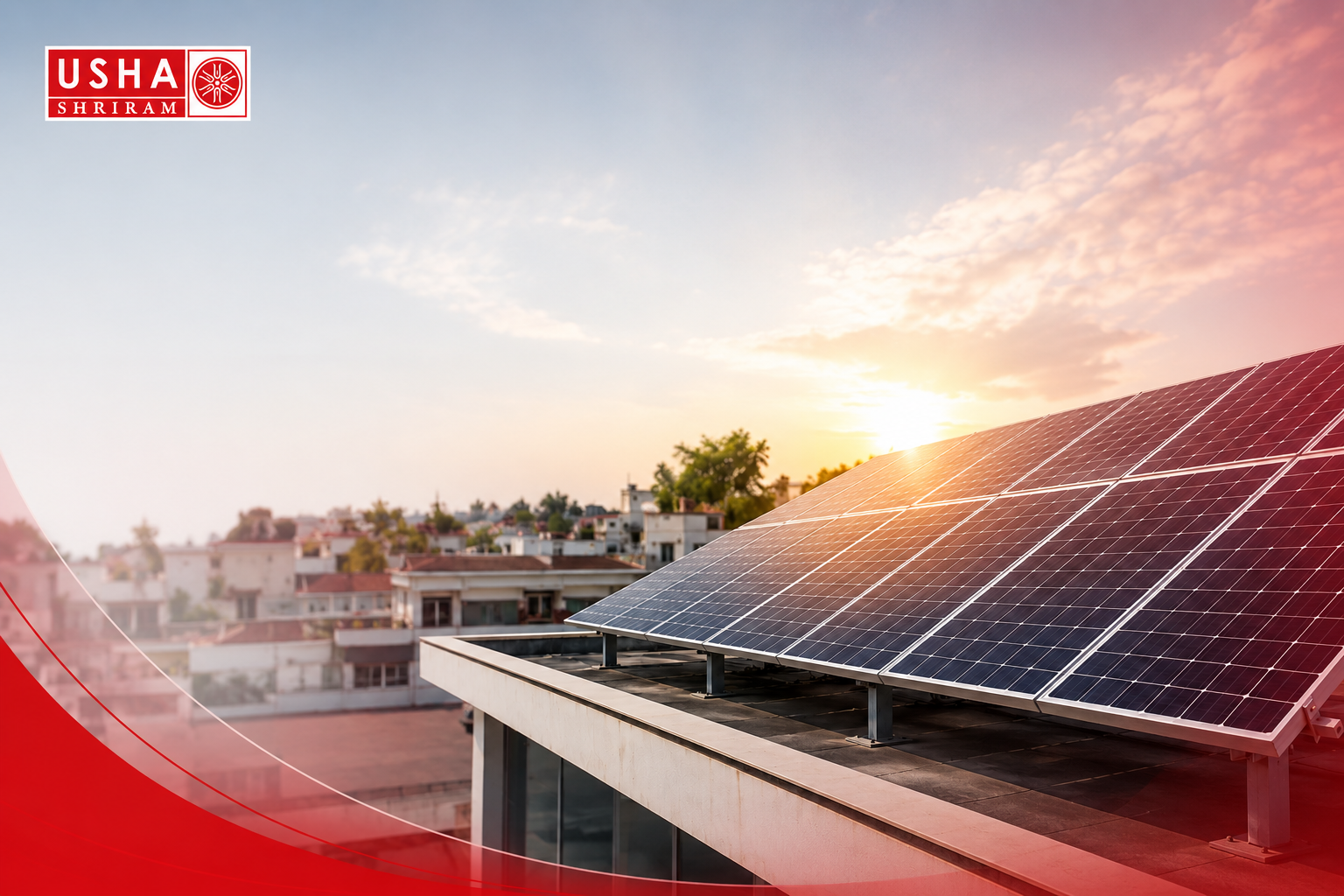
Electricity costs in India are increasing every year, and more homeowners are now shifting toward solar energy. One of the biggest reasons behind this change is the subsidy on solar power plants offered by the government.
Solar energy helps reduce electricity bills, provides long-term savings, and supports a cleaner environment. To encourage people to adopt renewable energy, the Indian government offers different subsidy schemes for residential solar installations.
In this guide, you will learn everything about solar subsidies, benefits, eligibility, and how to apply for government solar schemes in India.
Solar Panel Subsidy in India
The demand for solar panel subsidy programs has increased rapidly in recent years. A solar subsidy helps homeowners reduce the upfront cost of installing rooftop solar systems.
The Ministry of New and Renewable Energy (MNRE) supports residential solar adoption through various subsidy schemes. These subsidies are mainly available for rooftop solar systems installed by approved vendors.
Benefits of Solar Panel Subsidy
- Reduces installation cost
- Helps save electricity bills
- Promotes clean energy usage
- Provides long-term financial savings
- Increases property value
A solar power system is a one-time investment that can generate electricity for 20–25 years with minimal maintenance.
Solar Subsidy: Why It Is Important
A solar subsidy makes solar energy affordable for common households. Many families avoid solar installation because of the initial investment, but government support helps reduce this burden significantly.
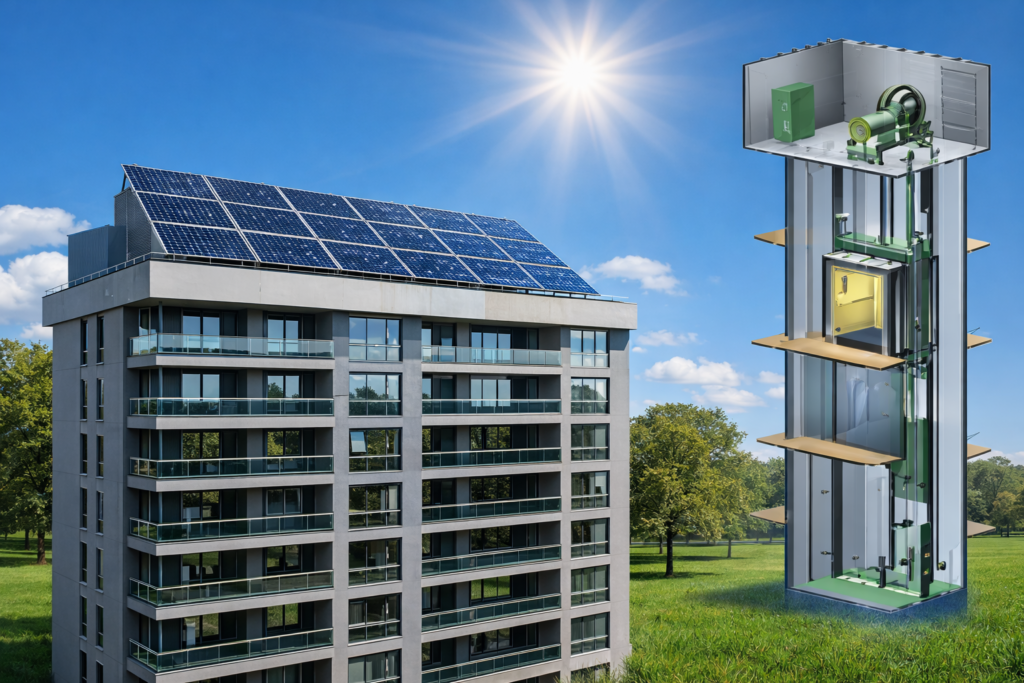
Major Advantages of Subsidy on Solar Power Plant
Lower Electricity Bills
Solar systems generate electricity from sunlight, reducing dependence on grid power.
Faster Return on Investment
With subsidies, the total project cost decreases, helping homeowners recover their investment faster.
Eco-Friendly Energy
Solar energy is renewable and pollution-free, making it better for the environment.
Energy Independence
Solar systems reduce dependency on traditional electricity sources and power cuts.
As electricity tariffs continue to rise, solar energy becomes a smarter and more cost-effective solution.
Solar Power Subsidy Scheme in India
The Indian government has launched several solar power subsidy scheme initiatives to promote rooftop solar installations.
The Government of India continues to promote clean energy through subsidies for rooftop solar systems under the PM Surya Ghar: Muft Bijli Yojana scheme. Eligible residential consumers can get a share of the subsidy in 2026 to install grid-connected rooftop solar systems. The amount of subsidy depends on the capacity of the solar system and is directly transferred to the consumer’s bank account upon installation and inspection. Before applying for the scheme, consumers must ensure that they fulfil the eligibility criteria and apply through empanelled vendors in their state electricity distribution company (DISCOM).
Features of Solar Power Subsidy Scheme
- Subsidy for residential rooftop solar systems
- Support for approved solar vendors
- Online application process
- Net metering facility
- Financial assistance for eligible capacities
The subsidy amount usually depends on the size of the solar system and current government policies.
Objectives of the Scheme
- Increase renewable energy usage
- Reduce electricity shortages
- Encourage sustainable living
- Lower carbon emissions
- Make solar affordable for families
Government initiatives are helping India move toward a cleaner and greener future.
Subsidy on Solar Power Plant Government Eligibility
Before applying for a solar panel government subsidy, homeowners should understand the eligibility requirements.
Who Can Apply?
The subsidy is generally available for:
- Residential property owners
- Individual homeowners
- Housing societies
- Residential welfare associations
Conditions for Subsidy
- The solar system must be installed by an approved vendor.
- Rooftop systems are mainly eligible.
- The installation should meet technical standards.
- Commercial properties may not qualify under residential schemes.
Documents Required
Common documents include:
- Electricity bill
- Aadhaar card
- Property proof
- Bank account details
- Passport-size photograph
Always verify the latest guidelines before applying.
Solar System for Home in India Government Subsidy
A solar system for home in India government subsidies can help families reduce electricity expenses for many years.
A rooftop solar system generally includes:
- Solar panels
- Solar inverter
- Mounting structure
- Electrical wiring
- Safety equipment
Benefits for Homeowners
Monthly Savings
Solar energy reduces electricity consumption from the grid, lowering monthly bills.
Long-Term Investment
Most solar systems last over 20 years, making them highly cost-effective.
Low Maintenance
Solar systems require minimal maintenance apart from occasional cleaning.
Better Property Value
Homes with solar systems are considered energy-efficient and environmentally friendly.
Even smaller homes with limited rooftop space can benefit from solar panel installation.
Solar Rooftop Subsidy Benefits
The solar rooftop subsidy scheme is designed specifically for residential rooftop installations.
Rooftop solar systems convert sunlight into electricity and supply power directly to your home.
Advantages of Rooftop Solar
- Reduced electricity bills
- Government financial support
- Low maintenance cost
- Long system lifespan
- Environment-friendly energy generation
Net Metering Advantage
Most rooftop solar systems are connected through net metering.
This allows homeowners to:
- Export extra electricity to the grid
- Receive credits on electricity bills
- Maximize savings
Net metering makes rooftop solar even more profitable for homeowners.
Solar Subsidy for Home: Application Process
Applying for a solar subsidy for home has become much easier with online portals and approved solar vendors.
Step 1: Check Electricity Consumption
Understand your monthly electricity usage to determine the required solar system size.
Step 2: Select an Approved Vendor
Choose a government-approved solar installer for the project.
Step 3: Submit Application
Apply through the official rooftop solar portal with required documents.
Step 4: Installation
The vendor installs the solar system after approval.
Step 5: Inspection
Authorities inspect the installed system to ensure it meets standards.
Step 6: Subsidy Transfer
After successful verification, the subsidy amount is transferred to your bank account.
The entire process is now more streamlined and user-friendly.
Government Subsidy on Solar Power Plant: Common Myths
PM Surya Ghar: Muft Bijli Yojana is India’s flagship rooftop solar scheme that promotes residential solar systems across the country. The initiative aims to create awareness about rooftop solar systems and offers attractive central financial assistance to residential consumers. Additionally, the process is consumer-friendly as it allows online applications and approvals. Apart from reducing electricity bills, the scheme also motivates consumers to go green and reduce dependence on conventional energy sources. Eligible consumers can apply online, select an empaneled vendor, install the solar system, and submit the application to the local DISCOM for subsidy transfer directly to their bank accounts. The central government has taken this initiative to achieve India’s target of promoting renewable energy and net-zero emissions.
There are many misconceptions about government solar subsidy programs. Let’s clear some of them.
Myth 1: Solar Systems Are Too Expensive
Reality: Government subsidies reduce installation costs significantly.
Myth 2: Solar Panels Need High Maintenance
Reality: Solar systems require very little maintenance.
Myth 3: Solar Panels Don’t Work During Cloudy Weather
Reality: Panels still generate electricity during cloudy conditions, though efficiency may slightly decrease.
Myth 4: Subsidy Application is Complicated
Reality: The online process and approved vendors make it much simpler today.
Myth 5: Solar is Only for Large Homes
Reality: Small and medium-sized homes can also install rooftop solar systems.
Understanding these facts helps homeowners make better decisions about solar investment.
How Much Can You Save with Solar?
Savings from solar energy depend on:
- System size
- Electricity consumption
- Local electricity rates
- Sunlight availability
Most homeowners experience a major reduction in monthly electricity bills after installing rooftop solar systems.
Over time, the savings can recover the installation cost, and the remaining years provide almost free electricity generation.
This makes solar one of the best long-term investments for households.
Future of Solar Energy in India
India is becoming one of the fastest-growing solar energy markets in the world. The government continues to promote renewable energy adoption through subsidy programs and supportive policies.
With rising electricity costs and increasing awareness about environmental protection, more households are choosing solar energy every year.
Technological improvements and government support are making solar systems more affordable and efficient for Indian families.
Conclusion
The subsidy on solar power plant schemes introduced by the government has made solar energy more affordable for homeowners across India.
Whether you are looking for a solar panel subsidy, rooftop solar support, or a solar system for home in India government subsidy, these programs can help reduce installation costs and increase long-term savings.
Solar energy is not only an environmentally friendly solution but also a smart financial investment for the future.
If you are planning to install a solar system, this is the right time to take advantage of government solar subsidy schemes and switch to clean, renewable energy.
FAQ’s
1. What is the subsidy on a solar power plant in India in 2026?
The Government of India provides financial assistance for eligible residential rooftop solar systems under the PM Surya Ghar: Muft Bijli Yojana. The subsidy amount depends on the installed system capacity and applicable government guidelines. Commercial and industrial solar projects are generally not eligible for this residential subsidy.
2. Can commercial buildings get a solar power plant subsidy?
No. The central rooftop solar subsidy is primarily available for residential consumers. Commercial establishments, industries, offices, schools, and factories usually do not receive this subsidy. However, they can still benefit from lower electricity bills, net metering, and tax incentives where applicable.
3. How can I apply for the solar power plant subsidy?
Register on the official PM Surya Ghar rooftop solar portal, submit your application, obtain technical approval from your DISCOM, install the system through an approved vendor, complete the inspection process, and receive the subsidy directly into your bank account via Direct Benefit Transfer (DBT).

2 thoughts on “Subsidy on Solar Power Plant: Complete Guide to Solar Subsidy ”